
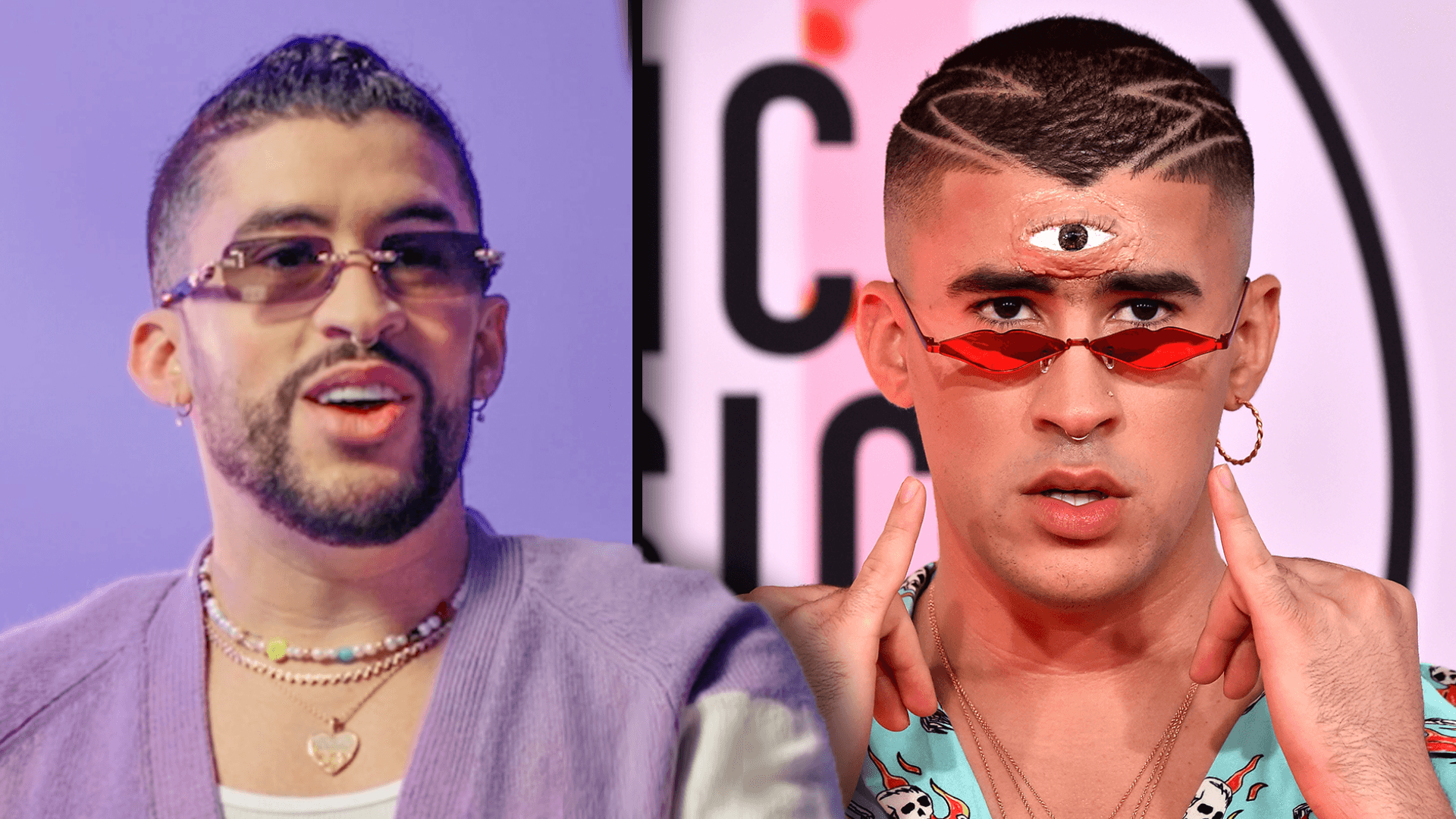
Badbunny Store Secrets: How a Singer Turned Merch into Hits
When a rising pop star decided to flip the script on his merch game, the music world took notice. What started as a simple line of T‑shirts quickly morphed into a cultural phenomenon that fans line up for every drop. The secret? A calculated blend of catchy lyrics, bold branding, and an uncanny knack for reading his audience’s pulse. In this post, we’ll unpack the journey behind the Badbunny Store, revealing how a singer turned everyday merchandise into chart‑topping hits.
From Stage to Storefront
The artist’s first tour sold out venues, but the souvenir booths left money on the table. He realized fans wanted more than a generic logo—they craved a piece of his story. By sketching designs that echoed his most popular verses, he created a direct line from his songs to the shopper’s wardrobe.
This approach turned ordinary concert merch into collectible artifacts. Each shirt, cap, or tote carried a lyric snippet that fans could wear like a badge of loyalty. The result was a surge in repeat purchases, as fans collected the entire set to complete their personal “playlist” of apparel.
Inside the Badbunny Store Success
The breakthrough happened when the artist launched his dedicated online shop, branding it as the Badbunny Store. The site was more than a storefront; it was an experience. Limited‑edition drops aligned with new single releases, creating a hype cycle that mirrored his music launch strategy.
Smart use of scarcity—only 1,000 units per design—drove urgency. Social media teasers showed snippets of upcoming graphics, and fans rushed to secure their pieces before they vanished. This synergy between music drops and merch launches amplified both revenue streams.
Merchandise That Hits the Charts
Every product was designed with the same lyrical precision the singer applies to his songwriting. Color palettes matched his album art, while typography echoed the font used in his music videos. The coherence reinforced brand identity, making the merch instantly recognizable.
Beyond apparel, the Badbunny Store introduced interactive items: QR‑coded pins that linked to exclusive behind‑the‑scenes videos, and vinyl‑style stickers that unlocked unreleased tracks. These cross‑media elements turned a simple purchase into a multi‑dimensional fan experience.
Takeaways for Emerging Artists
First, treat merchandise as an extension of your music, not an afterthought. Your brand’s visual language should mirror the themes in your songs. Second, create scarcity to fuel demand—limited runs keep fans engaged and eager for the next drop. Third, leverage digital tools: QR codes, exclusive content, and timed releases tie your merch directly to your creative output.
Finally, remember that authenticity sells. When fans sense genuine passion behind each design, they’re more likely to become lifelong supporters. The Badbunny Store proves that with the right strategy, merch can be as iconic as the hits that inspired it.