
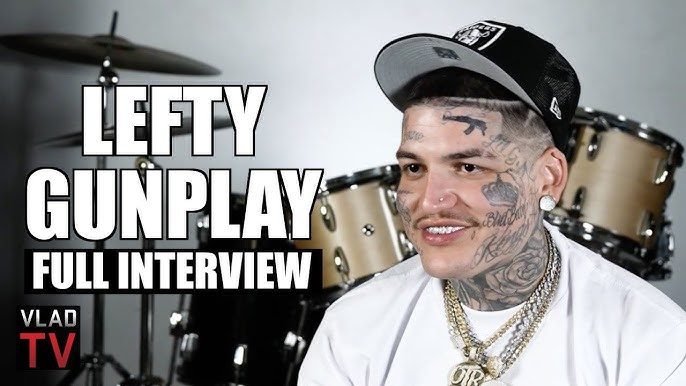
Lefty Gunplay Shop Singer: How One Voice Redefined Country
When the neon sign of the Lefty Gunplay Shop flickered on a dusty Texas highway, no one expected it to become the backdrop for a musical revolution. Yet beneath its weathered doors, a voice emerged that would echo through the halls of country music forever. This singer, born in a small town and hardened by highway miles, turned the shop’s humble stage into a launchpad for a sound that defied tradition. In this post we explore how that singular talent reshaped an entire genre, turning a roadside store into a cultural landmark.
Lefty Gunplay Shop: A Turning Point for Country Music
The moment the singer stepped onto the modest wooden platform inside the Lefty Gunplay Shop, the air changed. The acoustics, rough-edged and intimate, captured every nuance of a voice that blended grit with tenderness. It wasn’t long before locals began gathering after work, drawn by the raw emotion that radiated from each performance. The shop quickly gained a reputation as a proving ground, where the artist could experiment without the pressures of a polished studio. This freedom allowed the singer to fuse classic twang with unexpected bluesy bends, creating a hybrid that felt both familiar and daring.
Word of these nightly sessions spread beyond the town’s borders. Music bloggers and talent scouts, intrigued by the buzz, started visiting the shop. Their reports highlighted a voice that could make a worn-out pickup truck sound like a love song and a heartbreak feel like a sunrise. By the time the first EP was recorded, the Lefty Gunplay Shop had already become a synonym for authenticity—a place where the old and new met in perfect harmony.
Breaking the Mold: A Voice That Redefined Country
Traditional country often leans heavily on story-driven lyrics paired with straightforward instrumentation. The singer from the Lefty Gunplay Shop turned that formula on its head. Their debut album introduced lyrical themes that reached beyond the usual rodeo and heartbreak tropes, touching on social issues, personal identity, and the evolving American landscape. Musically, the artist layered steel guitars with synth pads, creating a soundscape that felt both timeless and contemporary.
Critics initially hesitated, unsure whether this blend would alienate core fans. However, the sincerity behind each track won over even the most skeptical listeners. Songs like “Dust on the Dashboard” and “Midnight Rodeo” showcased a poetic depth rarely heard in mainstream country. By daring to infuse storytelling with lush, unconventional arrangements, the singer proved that the genre could grow without losing its heart.
The Industry’s Ripple Effect
After the breakthrough, other artists began to follow suit. Record labels, once cautious about straying from the classic country playbook, started signing acts that embraced a similar experimental edge. Concert venues that once only booked traditional acts opened their stages to those who dared to cross genre lines. In Nashville, songwriting circles began incorporating new lyrical structures, inspired by the bold narratives introduced by the Lefty Gunplay Shop vocalist.
Beyond the music, the shop itself became a pilgrimage site for aspiring musicians. Workshops, open mic nights, and collaborative sessions turned the once‑quiet store into a bustling hub of creativity. The ripple effect was evident: an entire generation of country artists now felt empowered to push boundaries, and listeners discovered a richer, more diverse soundscape that still honored the roots of country music.
Legacy and What Lies Ahead
Today, the influence of the Lefty Gunplay Shop singer can be heard on radio stations across the nation and in streaming playlists that blend country with folk, rock, and soul. Their legacy isn’t just a catalog of hit songs; it’s a cultural shift that encouraged authenticity over formulaic production. Young artists cite the singer as a guiding light, reminding them that genuine storytelling can coexist with innovative musical choices.
Looking forward, the shop continues to host live performances and mentorship programs, ensuring that the spirit of creative freedom lives on. As the music industry evolves, the lessons from this era remind us that true artistry thrives in places where passion meets opportunity—often in the most unexpected corners, like a modest storefront on a forgotten highway.
In the end, the story of the Lefty Gunplay Shop and its iconic vocalist illustrates a timeless truth: when a voice is allowed to be heard, it can rewrite the rules, inspire countless others, and leave an indelible mark on the fabric of a genre.