
Will Wood Shop Singer: How One Artist Redefines Dark Cabaret
When you hear the name Will Wood Shop, a hush falls over the crowd and a flicker of curiosity ignites. This singular artist has taken the shadowy underbelly of cabaret and transformed it into a theatrical, genre-bending experience. With a voice that weaves between manic laughter and haunting whispers, he invites listeners into a world where melancholy meets mischief. The result is a fresh take on dark cabaret that feels both familiar and startlingly new, pulling fans from the fringes of indie rock, jazz, and avant‑garde theater into a shared, exhilarating space.
The Origins of Will Wood Shop and Dark Cabaret
Will Wood Shop emerged from a DIY ethos rooted in underground venues and college radio stations. Growing up with an eclectic record collection, the artist absorbed the sounds of Tom Waits, The Velvet Underground, and early punk. This melting pot of influences sparked an obsession with storytelling through music. Early shows were raw, featuring a piano, a lone microphone, and a handful of improvisational performers. The lo‑fi aesthetic mirrored the gritty atmosphere of classic cabaret while infusing it with modern anxieties.
From the first gig, audiences sensed a shift. The performances were less about polished production and more about visceral connection. In this environment, Will Wood Shop began to define his own brand of dark cabaret—one that prized authenticity over perfection. The name itself became a symbol of artistic freedom, a “shop” where ideas could be crafted, tested, and sold to a thirsty crowd.
Musical Innovation: Blending Genres and Storytelling
At the heart of Will Wood Shop’s appeal is an uncanny ability to fuse disparate musical styles. He mixes ragtime piano arpeggios with distorted synths, couples jazzy brass sections with post‑punk basslines, and overlays haunting vocal harmonies on top of spoken‑word monologues. Each song functions as a short story, complete with characters, twists, and a moral dilemma. This narrative focus keeps listeners engaged, as they never know whether the next verse will reveal a tragic confession or a sardonic punchline.
Lyrically, the artist explores themes of mental health, societal decay, and personal redemption, all delivered with a wry sense of humor. The juxtaposition of upbeat melodies against dark lyrical content creates a tension that is characteristic of the dark cabaret genre. By constantly shifting tempo and tone, Will Wood Shop keeps the audience on their toes, ensuring that each performance feels like an unpredictable theatrical ride.
Visual Aesthetics and Live Performance
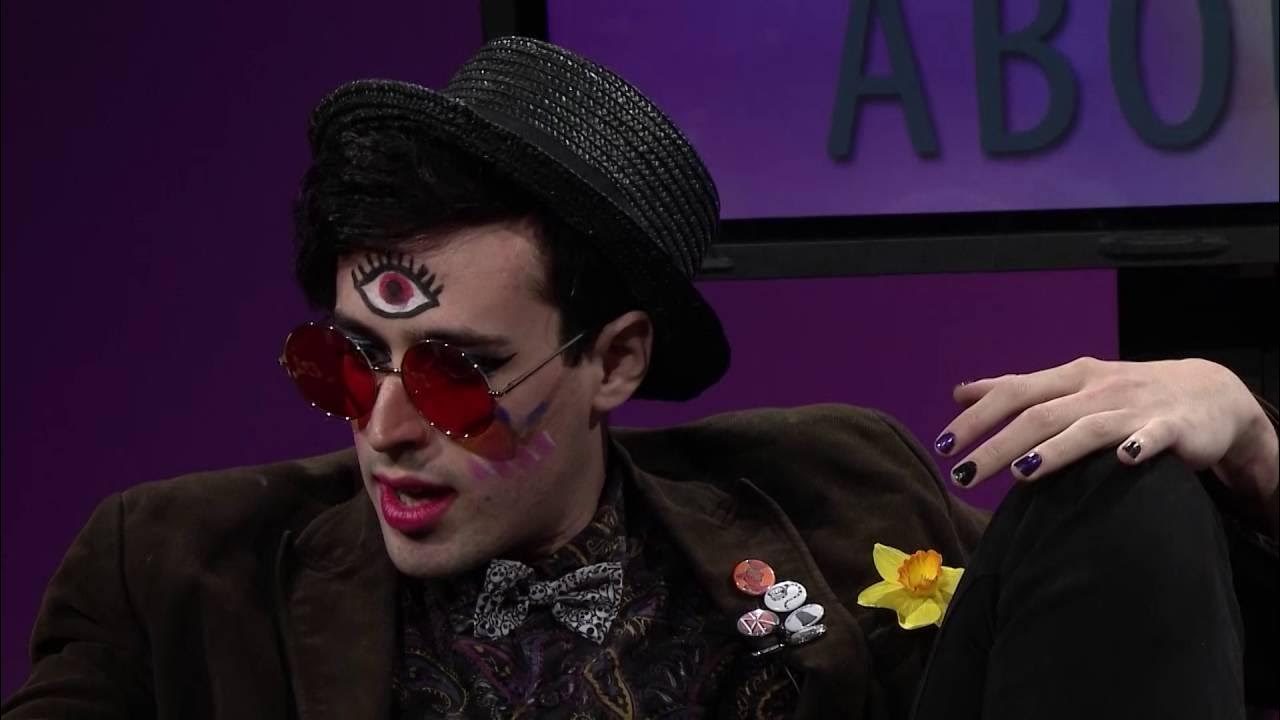
Beyond the music, Will Wood Shop’s visual presentation amplifies the cabaret experience. Stage lighting flickers like vintage marquee signs, while costume choices range from circus-inspired trench coats to exaggerated, brightly colored wigs. These bold visuals echo the theatrical roots of classic cabaret yet feel distinctly contemporary. The artist often incorporates props—old typewriters, broken mirrors, and enigmatic masks—to deepen the storytelling aspect of each piece.
Live shows are rarely static; they evolve into interactive events where audience members become part of the narrative. Unexpected improvisations, spontaneous dialogues, and even brief comedic sketches blur the line between performer and spectator. This immersive approach reinforces the idea that the dark cabaret world of Will Wood Shop is a living, breathing space where everyone can lose themselves in the absurdity and beauty of the moment.
Impact on the Dark Cabaret Scene and Future Directions
Will Wood Shop has already left a notable imprint on the modern dark cabaret landscape. Indie venues across the country report increased interest in eclectic, genre‑defying acts after his tours. Fellow musicians cite his fearless genre blending as an inspiration, prompting a wave of new artists who dare to merge theatrical storytelling with unconventional soundscapes.
Looking ahead, the artist hints at expanding his creative universe through multimedia collaborations, possibly integrating visual art installations or virtual reality experiences into future performances. This forward‑thinking mindset suggests that the evolution of dark cabaret will continue to be shaped by his innovative spirit, pushing the boundaries of where music, theater, and technology intersect.
In conclusion, Will Wood Shop stands as a beacon for anyone craving a fresh, immersive take on dark cabaret. By weaving together a rich tapestry of musical styles, narrative depth, and striking visuals, he redefines what a cabaret performance can be. As audiences continue to crave authenticity and storytelling, this singular artist is poised to lead the genre into uncharted, exhilarating territory.